
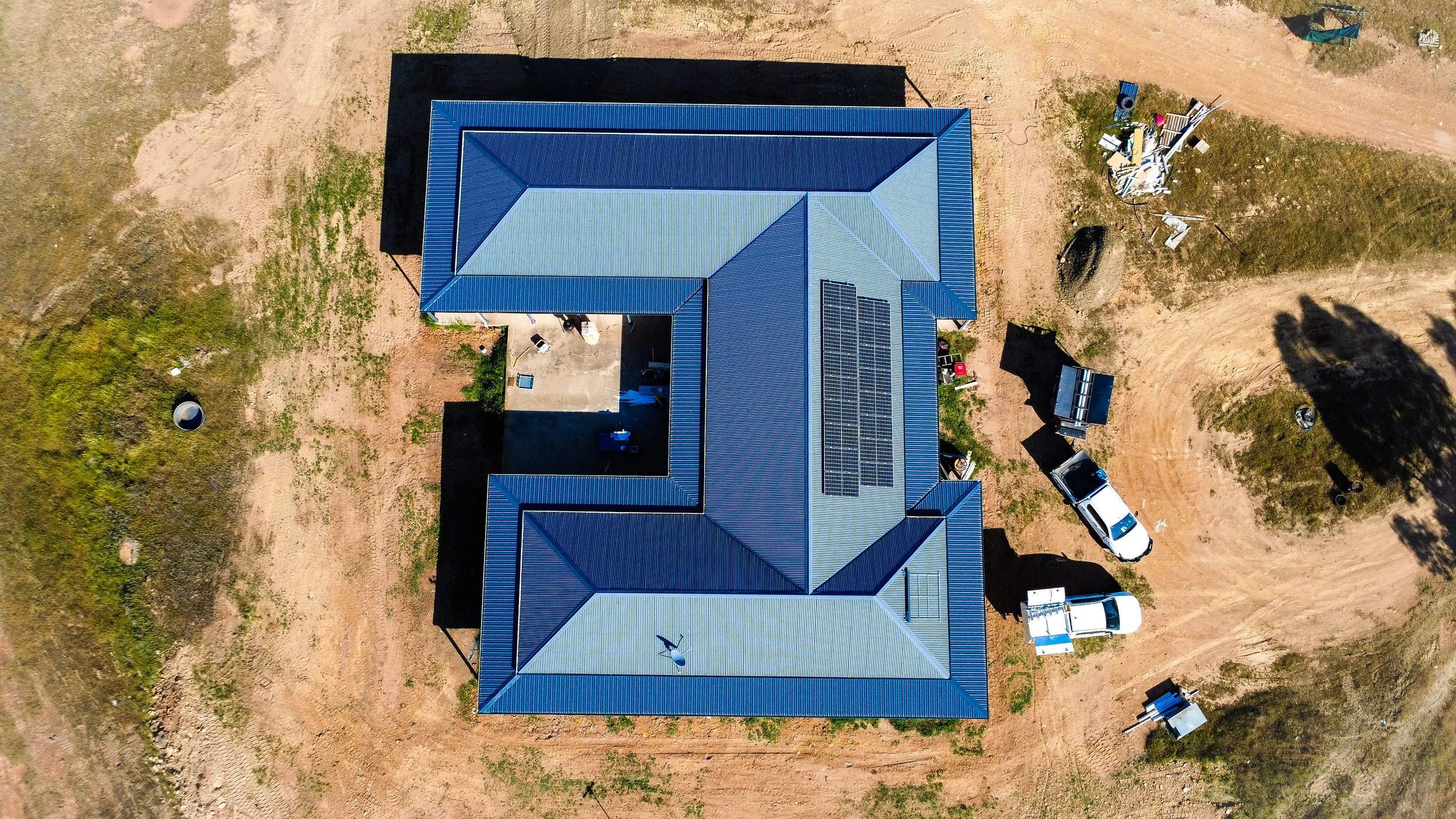
Transform Your Home: Roof Renovation Ideas
Your roof protects your home from the elements and plays a major role in street appeal. Whether you're dealing with a sudden leak, preparing for storm season, or planning a full exterior refresh, a bit of roofing know-how goes a long way. From small roof repairs to a complete roof replacement, taking the right action at the right time saves money, protects your home's value, and keeps your family safe.
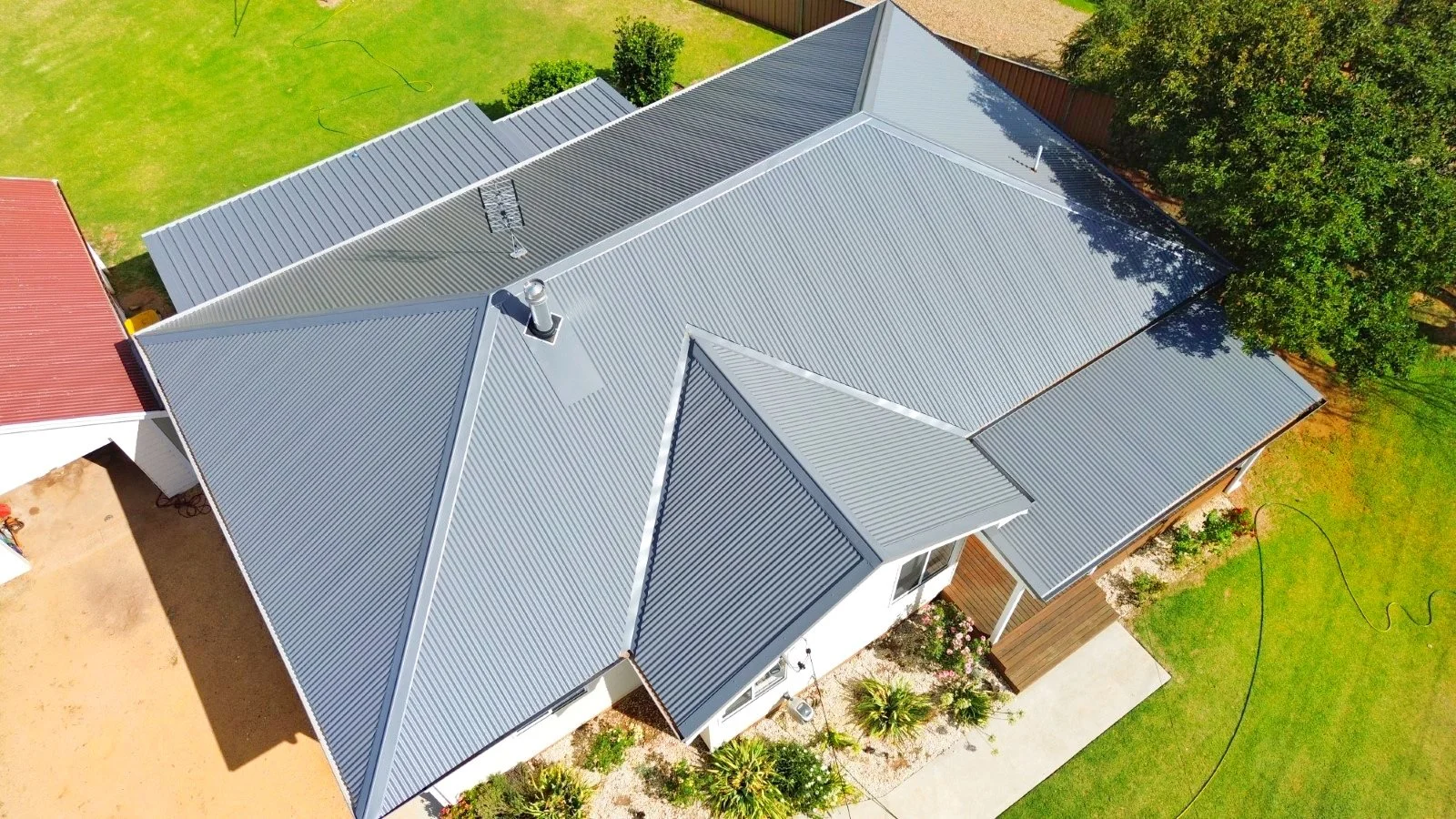
Recognizing When Your Roof Needs Attention
A roof often gives subtle warning signs before serious failure occurs.
Tracking Down Leaks
Water rarely drips straight down from where it enters. Check your roof cavity during the day with the lights off, pinholes of daylight reveal gaps, and dark stains or mould in the insulation can help trace moisture back to its source.
Inspecting the roofline
Damage isn't always on top of the roof. Peeling paint, rotting timber, sagging gutters, and unexplained drafts indoors can point to fascia and soffit damage, which leaves your roof's underbelly exposed to moisture and pests.
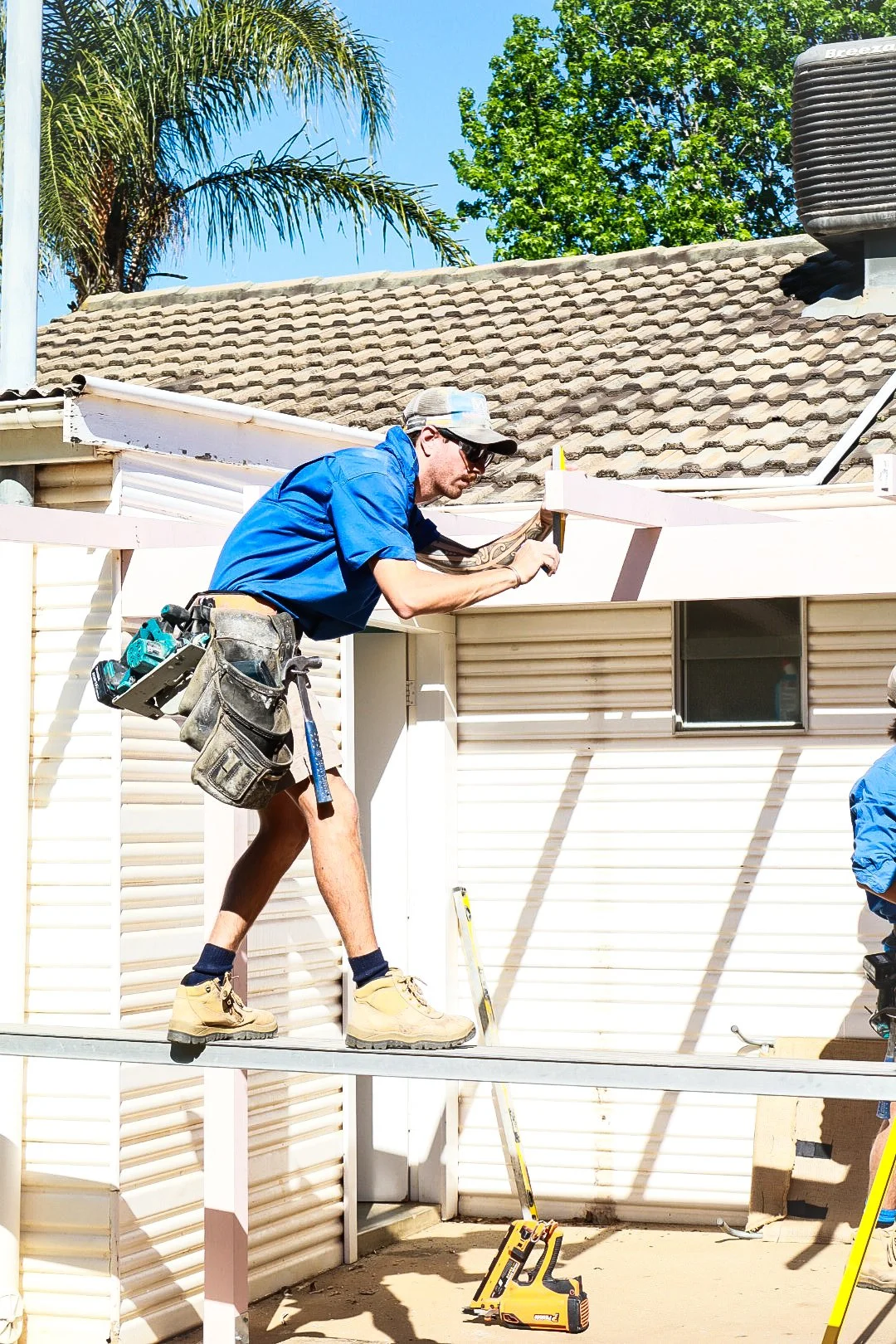
Immediate Action: Navigating Storms and Emergencies
If a storm or fallen branch damages your roof, quick action limits water damage and structural rot.
Safety first — never climb onto a wet or active roof during a storm.
Secure the area with a heavy-duty tarp anchored properly (never just nailed down) until repairs can be made.
Document everything for your insurance claim — photos of the damage, temporary repairs, and any interior water spots — and consider having an independent roofing contractor present during the adjuster's inspection.
Flashing leaks
around chimneys, skylights, and vents are also a common source of water intrusion as seals break down over time. Resealing or replacing flashing can extend your roof's life without needing a full replacement.
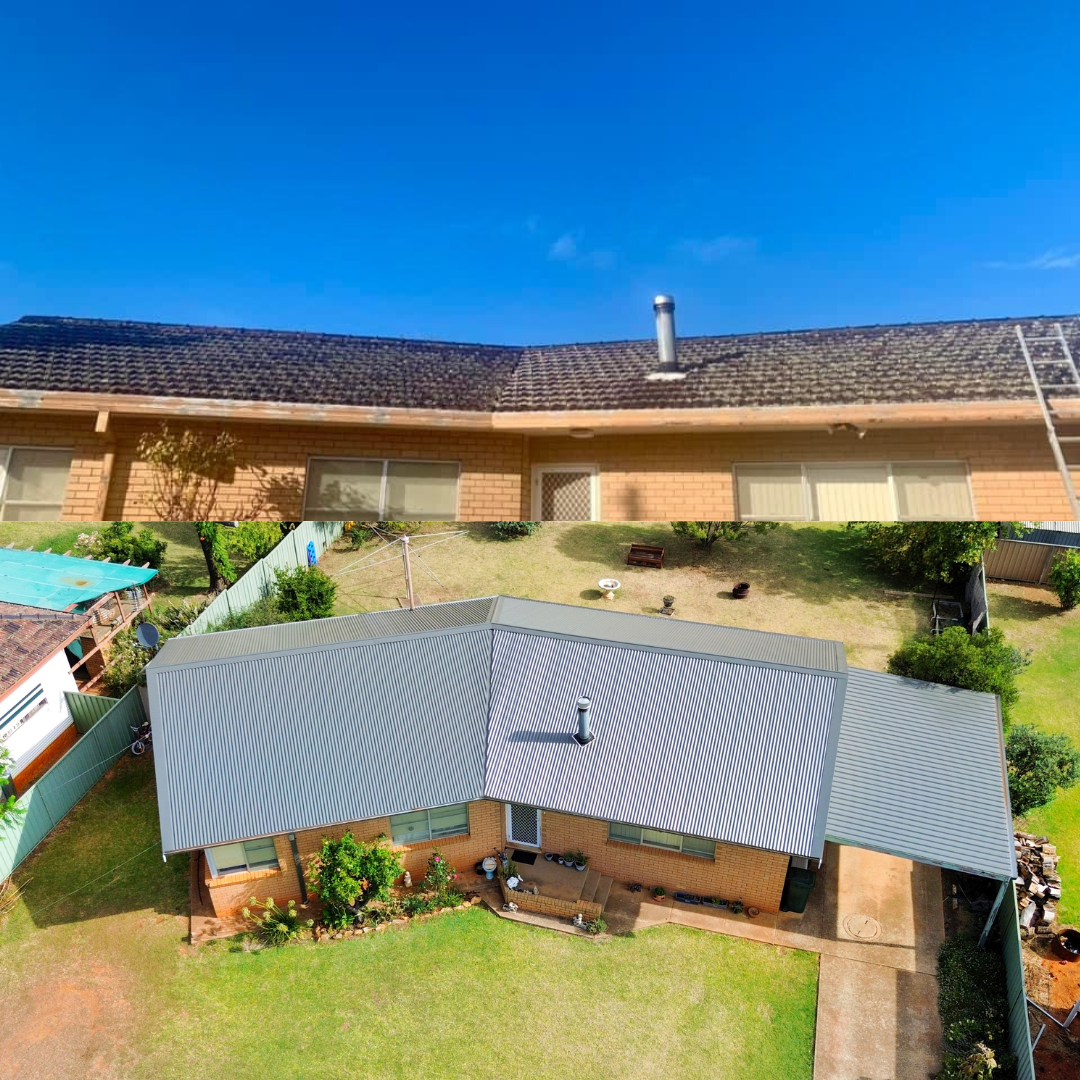
Repair, Restore, or Replace?
Knowing which path suits your roof saves you money and hassle down the track.
Roof Repairs
ideal for isolated issues like damaged flashing, leaks, or storm damage.
Roof restorations
a cost-effective middle ground for an ageing roof that isn't ready for full replacement. This includes cleaning, repairing minor damage, and applying a protective coating to add years of life.
Roof Replacement
necessary when the structure itself, or the underlayment beneath the surface, is no longer sound. A full replacement is also your chance to reassess the look and performance of your roof from the ground up.
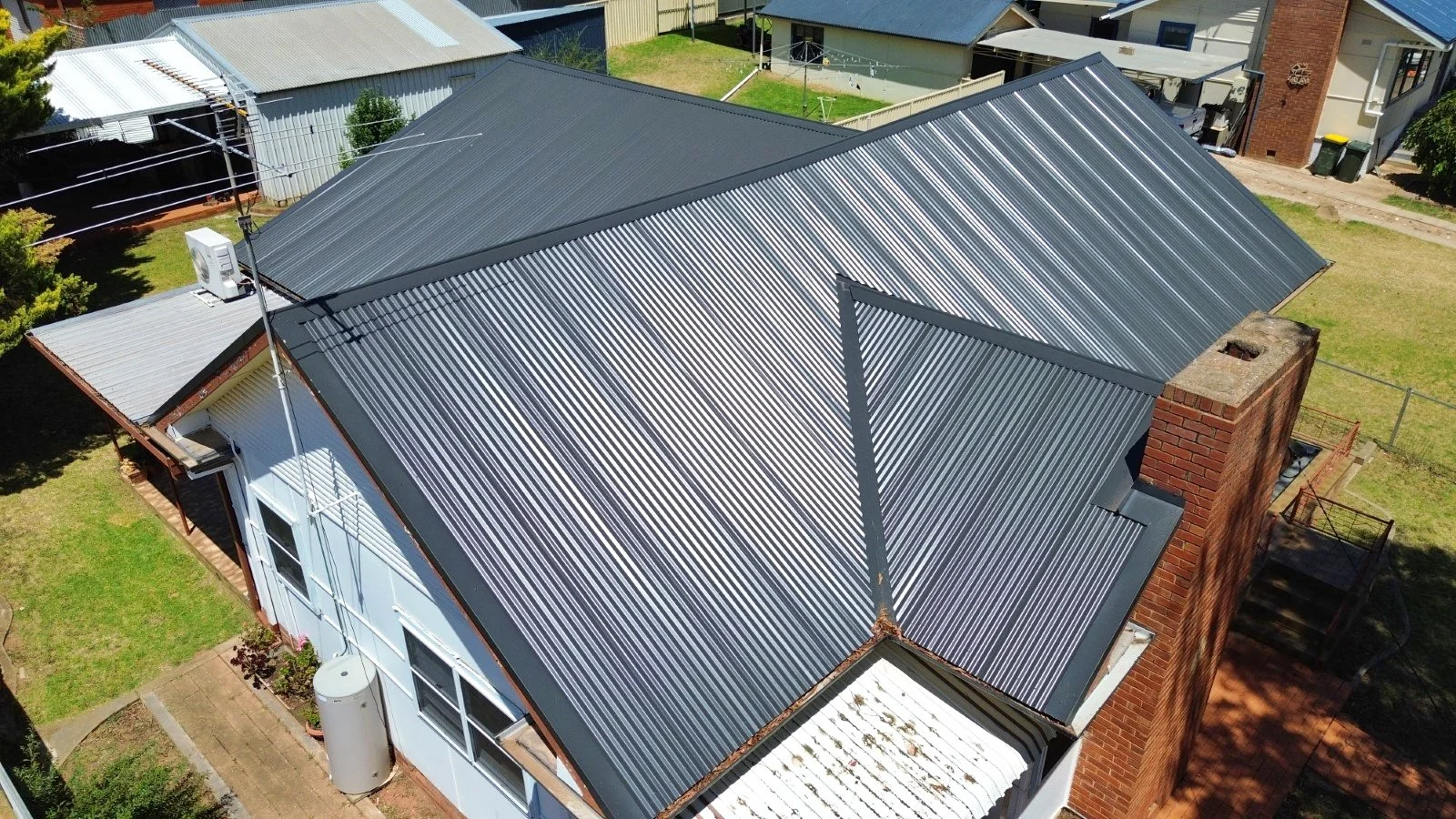
Modernising with Metal
If you're after a sleek, modern look with long-term performance, a metal roof renovation is one of the best investments you can make. Metal roofing suits modern, farmhouse, and rural-style homes throughout the Grenfell, Cowra, Forbes, Young and around Central West Region NSW and offers real practical benefits:
Durability: a well-installed metal roof can last 20 to 30 years.
Energy efficiency: reflects radiant heat, helping reduce summer cooling costs.
Weather resistance: sheds water and debris easily and stands up well to extreme winds.
While the upfront cost is higher, low maintenance and long lifespan make metal roofing a strong long-term investment.
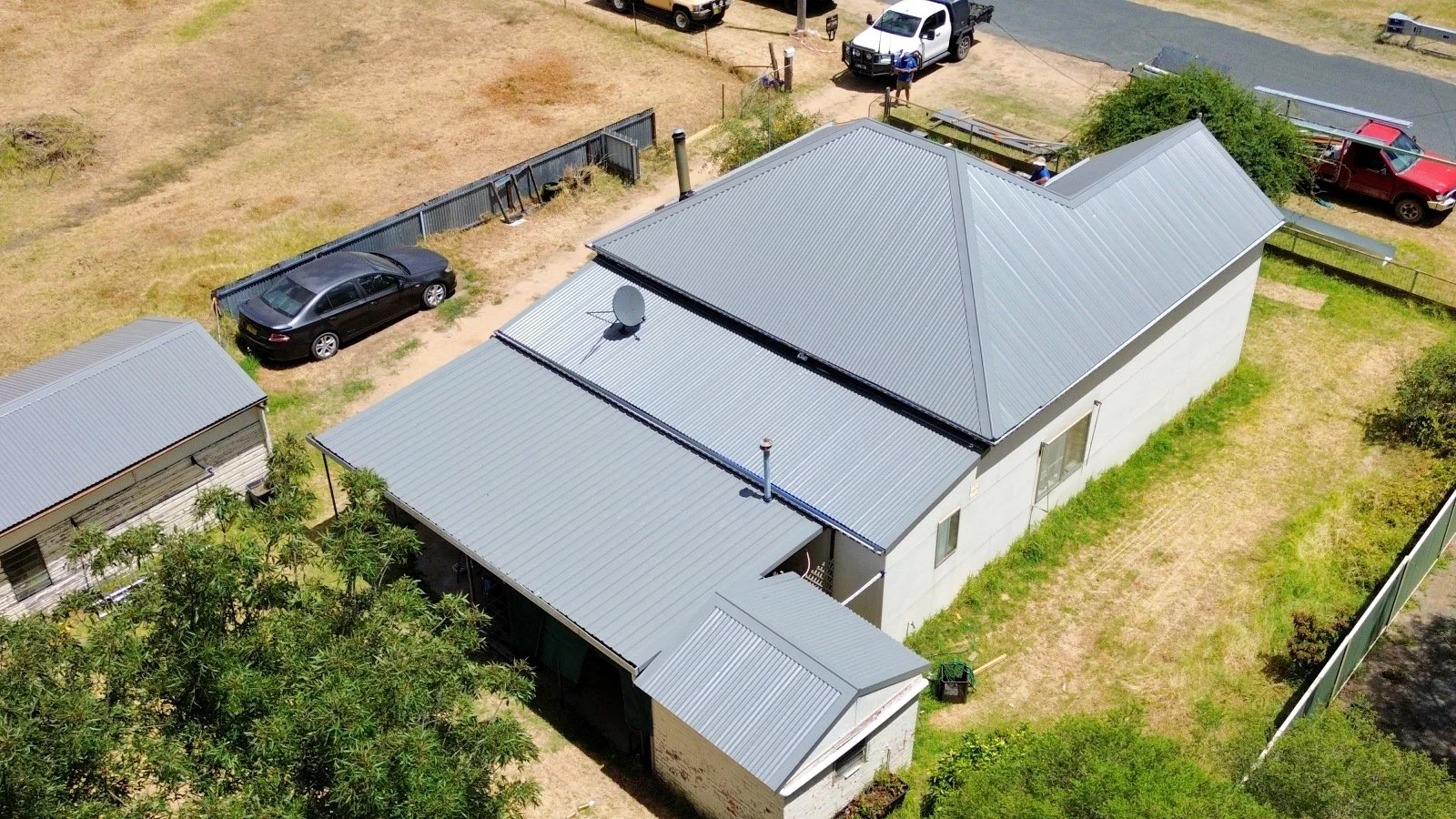
Choosing the Right Local Roofing Team
Whether you need a small patch or a major structural overhaul, your project’s success depends on the installers’ skill. Never hire a contractor based on the lowest price alone.
Use this hiring a licensed roofing contractor checklist to vet your candidates:
Verify Licensing and Insurance: The contractor must carry both general liability and workers' compensation insurance. Ask to see the physical certificates.
Demand a Written Estimate: The quote should list the costs for tear-off and disposal. It should also include underlayment, ventilation, flashing, and the surface material.
Read Recent Reviews: Look for a track record of excellent communication and clean job sites.
Whether you need targeted roof repairs, a full roof restoration, or a complete roof replacement with a metal roof renovation, our local team serves Grenfell, Cowra, Forbes, Young, Parkes, Eugowra, Woodstock, Harden, Cootamundra, Temora, West Wyalong and nearby areas around Central West NSW. Get in touch today for a proactive look at your roof and a quote.